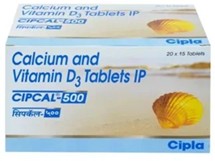
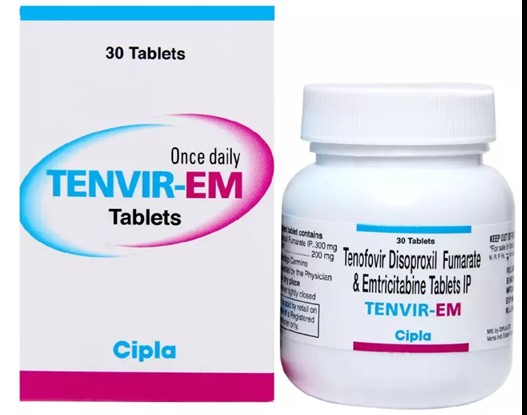
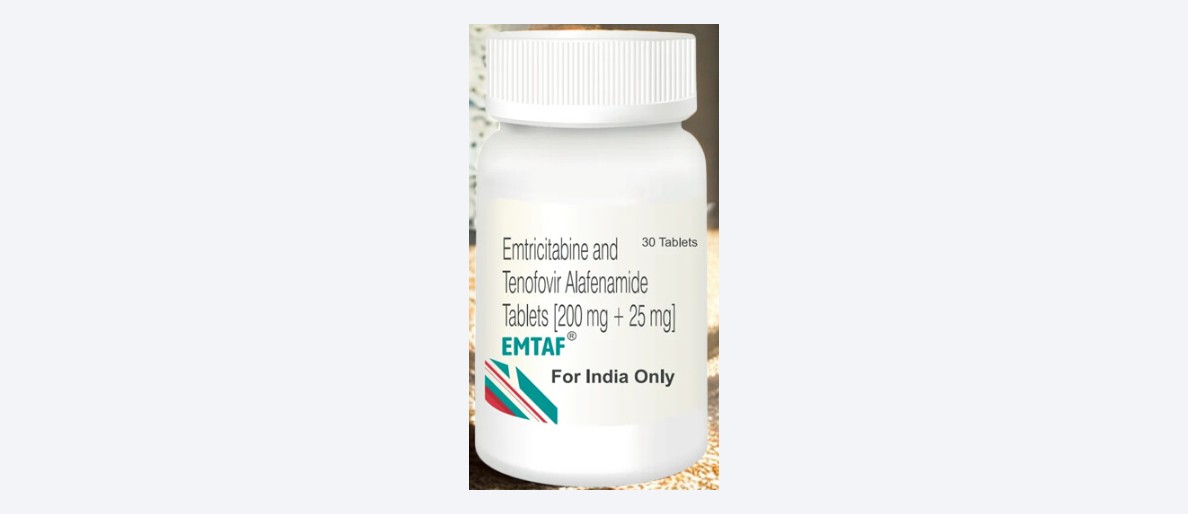
Used For:
- Used for osteoporosis, whether postmenopausal, senile, or steroid‑induced; for osteomalacia or rickets; to aid fracture healing; in cases of hypocalcemia or low blood calcium; during pregnancy and lactation when calcium demand is increased; in growing children and adolescents; for calcium deficiency due to dietary insufficiency; and as adjunct therapy in chronic conditions such as kidney disease or long‑term corticosteroid use.
Adult Dosage:
- 1 tablet once or twice daily, preferably after meals with a full glass of water or milk. Dose depends on dietary intake and severity of deficiency. For severe deficiency: may be increased to 2 tablets/day, under medical supervision. For Cipcal 1000 (higher dose) – usually once daily.
Not Recommended Children:
- Not suitable for children under 12 years
Children Dosage:
- Cipcal tablets are not suitable for children under 12 years (risk of choking and excessive dose).
Pediatric syrup or drops should be used instead.
1–5 years: 5 mL once daily (or as prescribed); 6–12 years: 5–10 mL once daily after food
Pack:
Contraindications:
- Avoid or use cautiously in patients with hypercalcemia or high blood calcium levels, those with hypercalciuria or high urinary calcium excretion, individuals with nephrolithiasis or a history of renal calculi, patients with severe renal impairment or renal failure, those with sarcoidosis as it may cause vitamin D overproduction, and individuals with hypersensitivity to calcium or vitamin D3 supplements.
Side Effects:
- Mild side effects may include: Constipation; Nausea, vomiting, or abdominal discomfort; Flatulence or bloating; Metallic taste (rare); Overdose or chronic misuse can lead to: Hypercalcemia (symptoms: fatigue, confusion, nausea, increased urination, bone pain); Kidney stones or calcification; Muscle weakness
Precautions:
- Take after meals to enhance absorption and reduce stomach irritation. Drink plenty of water to prevent kidney stones. Avoid overdose or combining with other calcium/vitamin D supplements. Monitor calcium and renal function during long-term use. In pregnancy and lactation, use under medical advice (safe in recommended doses). Elderly patients and those with renal disease require close supervision.
Dietary Restrictions:
- Maintain a calcium-rich diet: milk, yogurt, cheese, green leafy vegetables, almonds, sesame, fish (with bones). Get adequate sunlight exposure (natural source of vitamin D). Avoid excessive caffeine, alcohol, and smoking — they reduce calcium absorption. Limit high-oxalate foods (spinach, beet greens) and phosphate-rich processed foods, which hinder calcium uptake. Avoid taking iron, zinc, or tetracycline antibiotics at the same time — separate by at least 2 hours. Avoid taking with antacids containing aluminum or magnesium (may interfere with absorption).