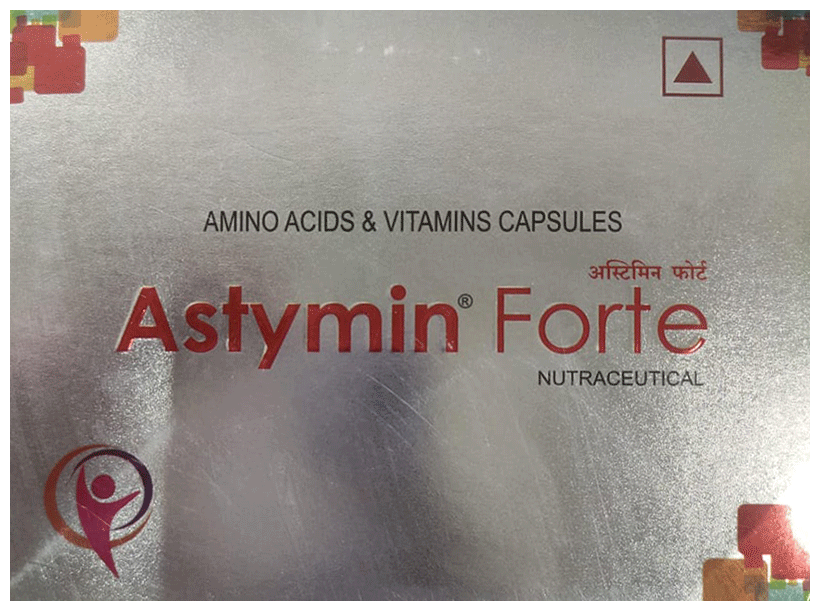
Used For:
- Used as a nutritional supplement for general weakness, fatigue, or convalescence after illness or surgery; for malnutrition or poor appetite; in cases of muscle wasting, weight loss, or protein deficiency; to support recovery after surgery, trauma, or burns; as an adjunct in chronic diseases such as diabetes, liver disease, cancer, or renal disease; for nervous system support due to B-complex vitamins; to improve immunity and metabolism; and to enhance athletic performance and stamina under guidance.
Adult Dosage:
- 1 capsule once daily, preferably after meals, with water.
Not Recommended Children:
- Not recommended for children below 12 years.
Children Dosage:
- Tablets or capsules are not recommended for children below 12 years. The syrup form may be used orally as follows: for children aged 1–5 years, 2.5–5 mL once daily after food; for those aged 6–12 years, 5–10 mL once daily after food; and for children above 12 years, the adult dose may be used under supervision.
Pack:
Contraindications:
- Avoid or use cautiously in patients with hypersensitivity to any amino acid or vitamin component, those with severe hepatic or renal impairment (especially with injectable forms), individuals with metabolic disorders involving amino acid metabolism such as phenylketonuria, those with hypervitaminosis due to excessive vitamin intake, patients with active peptic ulcer as some amino acids may cause irritation, and individuals on high‑protein diets, where additional amino acid supplements should be avoided unless specifically indicated.
Side Effects:
- Usually well tolerated when taken as directed. Mild effects may include nausea, vomiting, or gastric upset; diarrhea or constipation; headache or dizziness, which are rare; rash or itching as a rare allergic reaction; and a strong urine odor, which is harmless and due to amino acid metabolism.
Precautions:
- Take after meals to improve tolerance, and avoid combining with other multivitamin or amino acid supplements. Use cautiously in patients with liver or kidney disease. During pregnancy or lactation, it is usually safe under medical supervision. In diabetes, some syrups may contain sugar, so the formulation should be checked. Amino acid levels should be monitored if used long term or via injection.
Dietary Restrictions:
- Maintain a balanced, protein‑rich diet including milk, eggs, pulses, meat, and soy. Avoid alcohol, as it reduces vitamin and amino acid absorption. Stay hydrated to aid amino acid metabolism. Do not take antacids or calcium or iron supplements simultaneously, since they may reduce absorption of certain vitamins. Avoid mixing with other protein or amino acid powders unless prescribed.